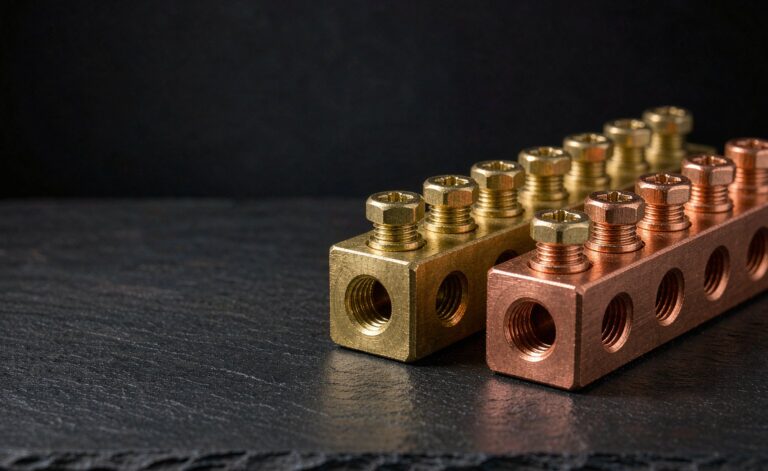
Complete Guide to DIN Rail Terminal Blocks Features and Selection
Published: Author: nhele
Table of Contents
If you’re handling industrial control panels or electrical wiring projects, you’ve probably come across DIN rail terminal blocks—the unsung heroes of neat, reliable, and safe electrical connections. But with so many options like screw type, push-in, feed-through, and ground earth terminal blocks, how do you pick the right one for your application? At Naihang Electric, we know that choosing the proper DIN rail mount terminal blocks can make all the difference in installation speed, durability, and long-term maintenance. This guide breaks down everything you need to know—from types and specs to best practices—so you can make informed choices with confidence. Let’s get started!
What Are DIN Rail Terminal Blocks?
DIN rail terminal blocks are essential components in modern electrical panels and industrial control systems. These compact devices securely connect and organize multiple wires onto a standardized DIN rail, ensuring safe and reliable wiring. At their core, DIN rail terminal blocks consist of three main parts:
Insulating housing: Made from durable, flame-retardant materials, this outer shell protects users from electrical shocks and prevents short circuits.
Conductive metal body: Typically crafted from corrosion-resistant metals like copper or brass, this element provides a reliable path for electrical current.
Connection mechanism: This part secures the wire in place, with variants including screw clamps, spring cages, or push-in clamps depending on the terminal block type.
The primary function of these rail-mounted terminal connectors is to provide a secure, safe termination point for wires, enabling easy wire-to-wire interconnection or tap-offs within control panels. They simplify wiring tasks by offering modular, snap-on installation that supports clean, efficient electrical layouts.
Key advantages of DIN rail terminal blocks include:
Modularity: Easily added or removed to scale or reconfigure wiring systems.
Vibration resistance: Reliable connections that withstand industrial environments with mechanical shocks.
Clear labeling: Marking options help identify circuits quickly, aiding maintenance.
Short-circuit protection: Some terminal blocks incorporate features to prevent electrical faults.
Standards compliance: Designed to meet international certifications like IEC, UL, and CSA for safety and performance.
Incorporating DIN rail mount terminal blocks is fundamental for achieving organized, safe, and maintainable electrical infrastructures across a wide range of industries.
Types of DIN Rail Terminal Blocks
DIN rail terminal blocks come in various types, each designed to meet specific wiring and safety needs:
Feed-through terminal blocks are the most common, providing simple wire-to-wire connections for straightforward circuit pathways.
Ground/earth terminal blocks feature direct rail contact to ensure reliable protective earth (PE) grounding, essential for safety.
Multi-level terminal blocks save space by stacking multiple connection points vertically, perfect for dense wiring in compact panels.
Disconnect and knife-disconnect terminal blocks allow sections of wiring to be safely isolated during maintenance or troubleshooting.
Fuse holder terminal blocks integrate circuit protection by housing fuses directly on the rail, combining connection and safety functions.
High-current terminal blocks are built to handle large conductor sizes and higher amperage, suitable for power distribution systems.
Connection technologies vary: pluggable blocks enable quick device removal, spring-loaded and push-in types offer faster, tool-free wiring, while screw type terminal blocks remain favored for their strong, vibration-resistant connections.
Each type fits different scenarios, so choosing the right one depends on your project’s electrical, mechanical, and safety requirements. For more detailed guidance on selecting terminal blocks, you can refer to our tips on how to choose a terminal block.
Key Specifications and Selection Criteria for DIN Rail Terminal Blocks
When choosing DIN rail terminal blocks, it’s crucial to consider several key specs to ensure they fit your application safely and efficiently.
Specification
Details & Tips
Current & Voltage Ratings
Typical ratings range from 10A to 125A; voltage up to 1000V depending on type. Select blocks that meet or exceed your system’s load requirements.
Wire Size Compatibility
Supports AWG 28 to AWG 4 (or 0.08 to 25 mm²); ensure compatibility with solid, stranded, or ferruled wires. Using ferrules improves connection reliability.
Connection Technologies
– Screw clamp: reliable, easy to maintain, requires a screwdriver. – Spring cage: vibration resistant, tool-free wire insertion. – Push-in: quick installation, ideal for solid wires. – Tension clamp: combines screw and spring benefits, common in high-performance blocks.
Material Quality
Look for flame-retardant, durable insulating housing and corrosion-resistant metals like nickel-plated copper for conductive parts.
Environmental Ratings
Check temperature ranges (typically -40°C to 105°C), IP ratings for dust/water protection, plus vibration and shock resistance for industrial use.
Certifications & Standards
Compliance with UL, IEC, CSA standards ensures safety, interoperability, and international acceptance.
Accessories
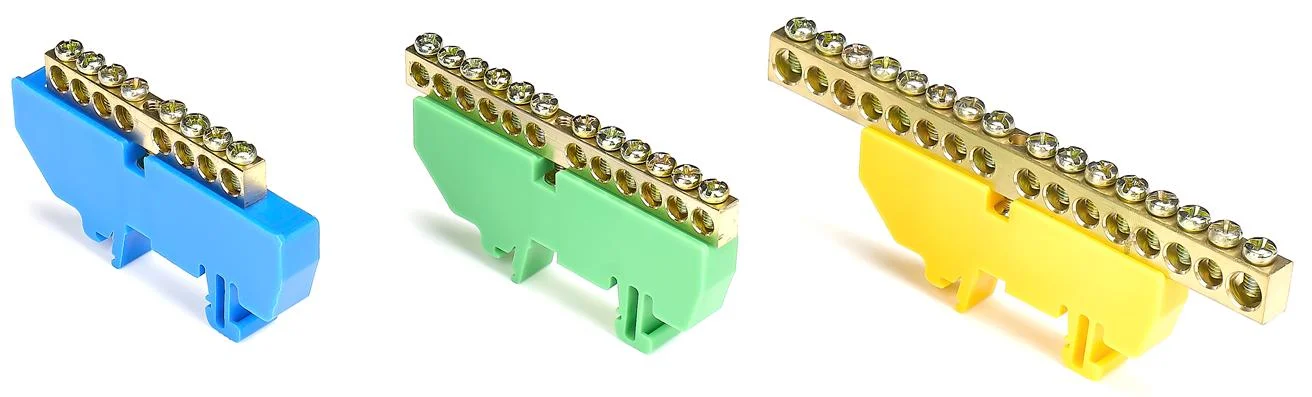
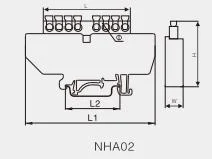
Make sure accessories like jumpers, end covers, markers, and bridging bars fit your chosen terminal blocks for easy expansion and clear wiring — see options like the screw terminal neutral bar with cover for full integration.
Understanding these specs helps streamline selection, ensuring your DIN rail terminal blocks deliver dependable, safe connections in your electrical panels or industrial setups.
Installation and Mounting Best Practices for DIN Rail Terminal Blocks
Proper installation is key to getting the most out of your DIN rail terminal blocks. Here’s a quick guide to ensure a secure, efficient setup:
Step-by-step DIN Rail Mounting
Snap-on design: Most DIN rail terminal blocks easily snap onto standardized 35mm DIN rails. Align the block, press firmly until it clicks in place.
Removal tools: Use special DIN rail removal tools to avoid damage when detaching blocks — pulling them off by force can harm the housing or rail.
Secure fit: Make sure blocks are aligned flush along the rail for stable mounting and proper grounding if applicable.
Proper Wiring Techniques
Stripping length: Strip insulation according to the terminal block specs — usually about 8-10mm is optimal. Too long or too short can cause poor contact or shorts.
Ferrule use: Use ferrules on stranded wires for secure connections, especially with screw or spring cage terminal blocks. This prevents wire strands from fraying.
Spacing: Leave enough room between terminal blocks and other panel components to allow heat dissipation and easier maintenance.
Heat dissipation: Avoid clustering high-current terminal blocks; spread them out to reduce overheating risks.
Clear labels: Use durable markers or labels on terminal blocks for easier troubleshooting. Consistent, visible labeling helps avoid wiring mistakes and simplifies future changes.
Common Installation Mistakes to Avoid
Over-tightening screws: Can deform wire strands or damage terminal blocks, leading to poor connection or failures.
Mismatched wire gauges: Using wires too large or too small for the terminal block causes unreliable contacts.
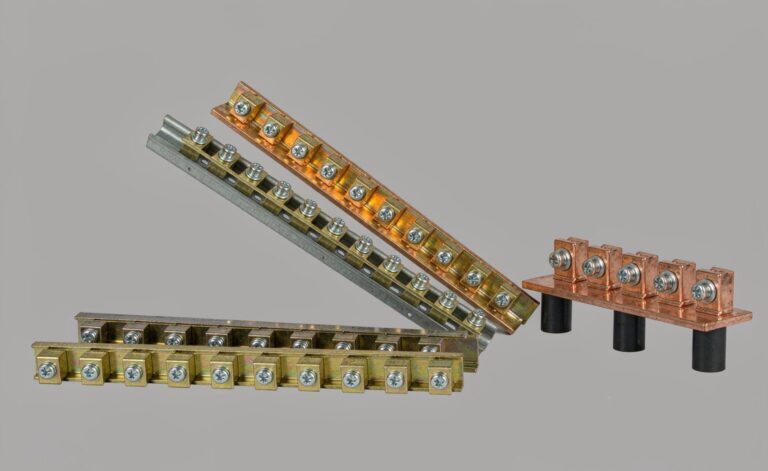
Poor grounding: Make sure ground/earth terminal blocks have direct, clean contact to the DIN rail for proper PE grounding—refer to product-specific examples like neutral bar links mounted with DIN rails to ensure compliance.
Following these installation and wiring best practices will keep your system safe, reliable, and easy to maintain over time.
Applications and Industries
DIN rail terminal blocks are essential across many industries thanks to their reliability and ease of use. In industrial automation and PLC/control systems, these terminal blocks provide secure, organized wiring connections that simplify control panel assembly and maintenance. Their modular design allows fast changes and expansions without downtime.
In power distribution and switchgear panels, DIN rail terminal blocks ensure safe and neat termination of power cables. They help manage complex wiring schemes while maintaining electrical safety standards, making them ideal for high-current and multi-phase systems. For heavier-duty needs, solutions like the four-phase distribution block with transparent cover offer robust, clear, and protected connections.
The HVAC, renewable energy, and machine building sectors benefit from terminal blocks that offer vibration resistance and consistent performance even in fluctuating temperatures. Their clear labeling and modularity make system troubleshooting and upgrades easier on-site.
For railway, marine, and harsh-environment applications, terminal blocks designed with corrosion-resistant materials and high IP ratings ensure durability and safety under extreme conditions. Their ability to withstand shock and vibration makes them the preferred choice for demanding electrical installations.
Overall, DIN rail terminal blocks excel in creating scalable, maintainable electrical infrastructures. Their standard compliance, ease of installation, and adaptability reduce downtime and maintenance costs, which is crucial for industries aiming for long-lasting, reliable operations.
Comparing Top Connection Technologies
When choosing DIN rail terminal blocks, understanding the connection technology is key. The main types are screw, push-in, and spring-loaded connections—each has its strengths.
Screw terminal blocks are the traditional choice. They offer a reliable, strong grip that suits both solid and stranded wires. These blocks excel in environments where vibration resistance is critical because the screw clamps hold wires firmly. Installation speed is slower since each screw needs tightening, but they allow easy re-termination and high current capacity, making them ideal for heavy-duty industrial wiring.
Push-in terminal blocks speed up installation dramatically. You simply insert the stripped wire into the terminal without any tools, saving time especially on large projects. However, they are mainly suited for solid wires or ferruled conductors and might offer less vibration resistance compared to screw types. These are perfect where quick assembly matters and loads are moderate.
Spring-loaded (spring cage) terminal blocks combine the best of both worlds. They ensure a tight, vibration-resistant connection like screw types but feature tool-free insertion like push-in blocks. They work well with stranded wires and provide consistent pressure over time, reducing maintenance. Spring cage blocks are popular in automation and control panels where reliability and speed matter.
Choosing the Right Terminal Block
Installation speed: push-in > spring cage > screw
Vibration resistance: screw ≈ spring cage > push-in
Conductor type: spring cage is best for stranded, push-in for solid/ferruled, screw for all types
Maintenance: spring cage requires the least, screw the most
Industrial users often report that spring-loaded terminal blocks offer excellent long-term performance in environments with constant vibrations. Meanwhile, screw terminal blocks remain favored where heavy current and extreme conditions require guaranteed mechanical stability. For assembly lines and repetitive wiring tasks, push-in blocks cut build time significantly.
Considering your application’s speed needs, conductor type, and operational environment will guide the best choice for your DIN rail mount terminal blocks. For instance, Naihang Electric’s selection includes various feeder and ground terminal blocks with screw and spring cage technologies, designed for reliable industrial terminal block wiring and easy installation. Check out their two-phase connection block for an example of robust screw terminal blocks suitable for demanding setups.
Why Choose Naihang Electric DIN Rail Terminal Blocks?
Naihang Electric offers a comprehensive range of DIN rail terminal blocks designed to meet diverse industrial needs. Their lineup includes reliable feed-through terminal blocks, robust ground/earth terminal blocks, space-saving multi-level blocks, and specialized versions tailored for unique applications.
Feature
Naihang Electric Advantage
Material Quality
Flame-retardant insulating housing and corrosion-resistant metals ensure long-lasting durability.
Engineering Precision
Exact manufacturing tolerances for tight fits and vibration resistance.
Competitive Pricing
High quality at cost-effective rates to reduce overall project expenses.
Full Accessory Ecosystem
Compatible with jumper bars, end covers, markers, and bridging bars for easy customization.
Naihang Electric commits to quality through rigorous testing and holds key certifications, ensuring compliance with international standards like IEC terminal blocks and UL. Their expert customer support helps streamline your project from selection to installation.
Benefits at a glance:
Faster panel build with modular, easy-to-install blocks.
Lower maintenance costs thanks to robust connections and clear labeling.
Enhanced safety with tested short-circuit protection and vibration resistance.
For secure, efficient, and scalable electrical wiring systems, Naihang Electric’s rail-mounted terminal connectors stand out, helping users build dependable electrical infrastructure with confidence. Exploring their grounding bar with full plastic cover or neutral bar with DIN rail mount can give a clearer picture of their quality and versatility.
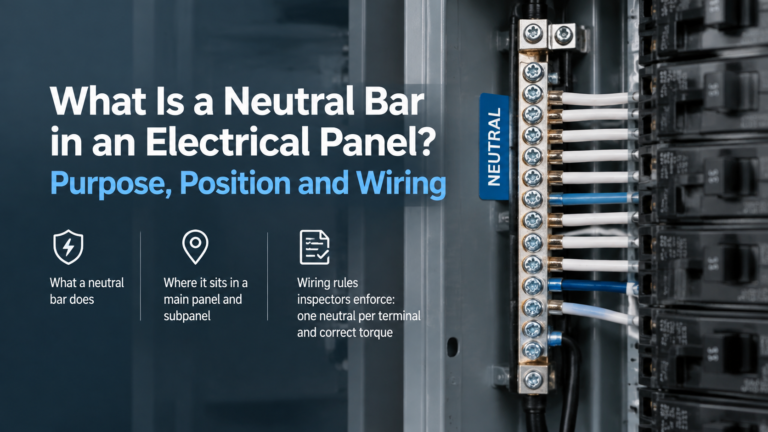
Four constraints determine neutral bar size: terminations needed, unbalanced current per NEC 220.61, largest conductor and mounting centres — with real dimension charts.
The neutral bar is the return path for every line-to-neutral load. How it works, where it sits, when it must be isolated from the enclosure, and the rules that govern it.