Choosing a power distribution block may seem straightforward, but in real-world electrical projects, small selection mistakes often lead to bigger problems — overheating, unstable connections, or difficult maintenance later on.
For engineers, contractors, and procurement teams, the goal is not just to find a suitable component, but to choose one that fits the system reliably over time.
This guide explains how to select a power distribution block based on actual project conditions.
What Should You Consider Before Choosing a Power Distribution Block?
Selecting a power distribution block for electrical systems is rarely about a single parameter. It usually comes down to balancing load, cable size, material, and installation constraints.
1.Start With Load Requirements
Before looking at any product, define:
- Total system current
- Peak vs continuous load
- Expected expansion
In most industrial applications, engineers apply a 25% safety margin to avoid overheating.
2.Match the Cable Size Carefully
Even a correctly rated block becomes unusable if the cable does not fit properly.
Common issues include:
- Input cable too large for terminal
- Output terminals too small
- Uneven tightening leading to unstable contact
3. Choose the Right Material
Material affects both performance and durability.
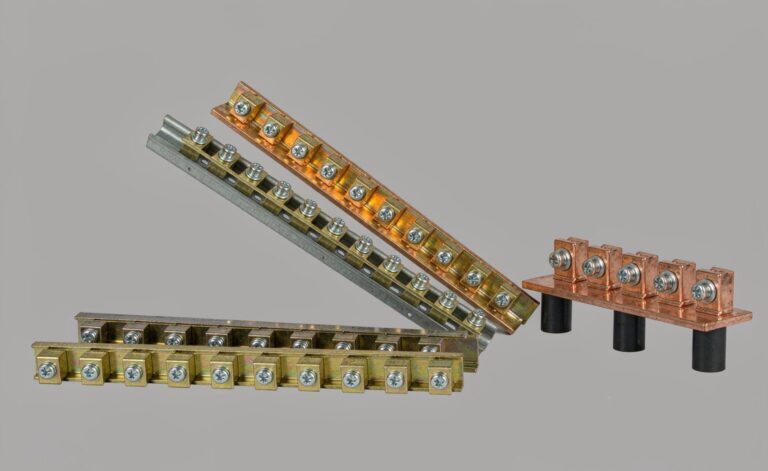
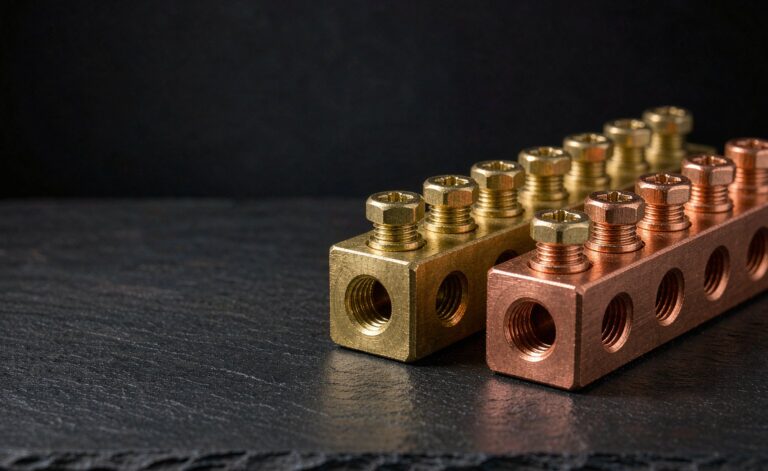
- Copper: stable conductivity for high current
- Plated copper: better corrosion resistance
- Lower-grade materials: higher resistance over time
For most electrical systems, copper-based designs are the safer option.
4.Decide Between Fused and Unfused
This depends on how protection is handled in your system:
- Use unfused blocks if protection is centralized
- Use fused blocks if circuits need local protection
Mixing both without planning often creates unnecessary complexity.
5. Consider Installation Conditions
Installation affects long-term usability more than expected.
Typical options:
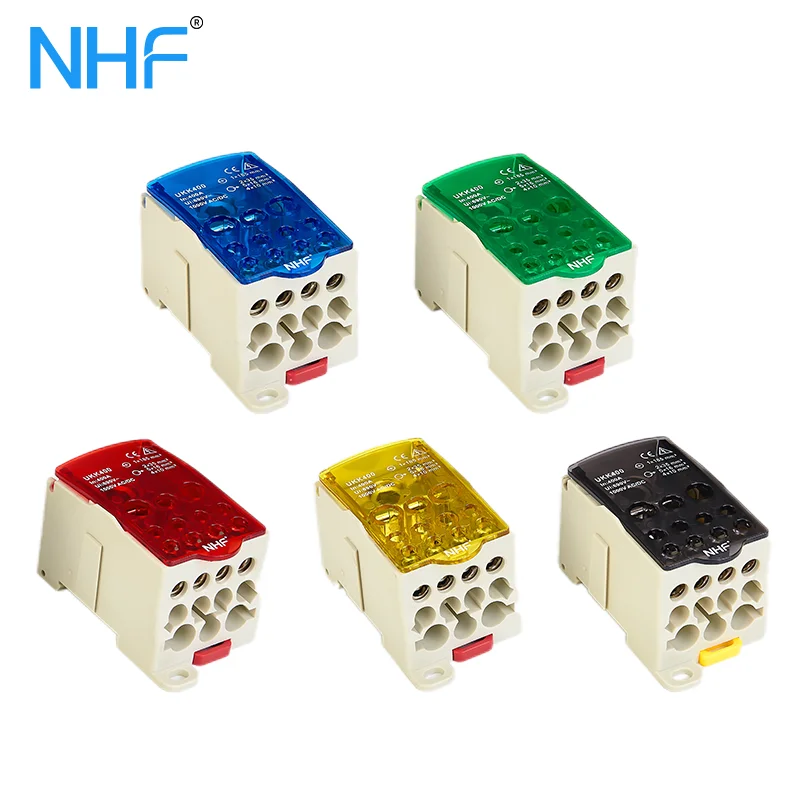
- DIN rail (standard in electrical cabinets)
- Panel mount
- Inline installation
Choosing the wrong type can make maintenance difficult later.
Where Are Power Distribution Blocks Used?
Electrical Panels and Power Cabinets
In electrical panels, power distribution blocks are used to:
- Split incoming power
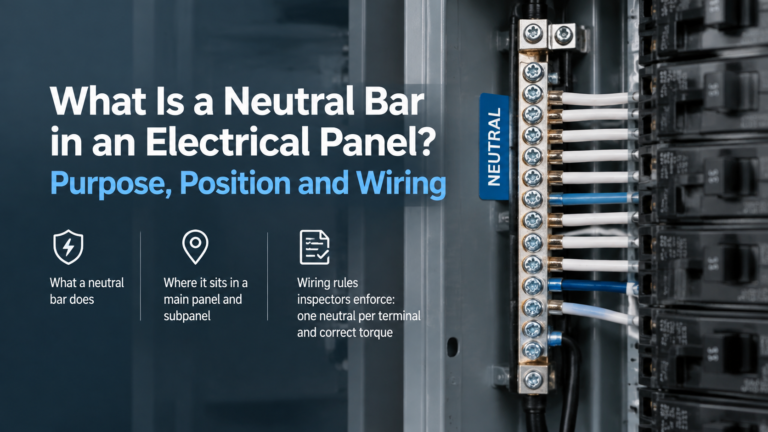
- Organize wiring
- Improve maintenance visibility
They are especially useful in systems with multiple loads.
Control and Auxiliary Systems
In smaller systems, they distribute power to control components or secondary circuits.
Here, compact design and stable connection matter more than high current capacity.
Common Problems and How to Avoid Them
In real projects, the same issues appear repeatedly:
- Overheating due to undersized rating
- Loose connections after installation
- Corrosion in humid environments
- Difficult access during maintenance
Most of these problems are caused by incorrect selection rather than system design.
Quick Selection Checklist
If you need a simple method, follow this:
- Define system current
- Confirm cable sizes
- Decide on fused or unfused
- Check installation method
- Evaluate environment
This approach works for most electrical projects.
Conclusion
Choosing a power distribution block is not just about matching specifications — it’s about ensuring the component works reliably within the system.
By focusing on load, cable compatibility, material, and installation conditions, engineers and procurement teams can avoid common issues and improve system performance.
FAQ
What size power distribution block do I need?
It depends on your system current and cable size. Always choose a model with at least 25% higher capacity.
Can a power distribution block handle high current?
Yes, but only if it is designed with proper materials such as copper and rated accordingly.
What is the difference between fused and unfused distribution blocks?
Fused blocks provide circuit protection, while unfused blocks rely on external protection systems.
Are power distribution blocks used in industrial panels?
Yes, they are commonly used in electrical panels and control systems for power distribution.
What happens if a distribution block is too small?
It can overheat, reduce efficiency, and lead to long-term system failure.