Blog
Terminal Block Strip Features Types Applications and Safety
Discover high-quality terminal block strips with durable insulation, multiple pole options, UL certification, and easy installation for safe wiring solutions.
Read More

A terminal block is a simple yet essential electrical component designed to securely connect multiple wires together without the need for splicing. It consists of three main parts:
Terminal blocks allow wires to be joined quickly and neatly, maintaining reliable connections and easy maintenance. Unlike soldering or twisting wires together, terminal blocks provide a safer, more modular solution for complex wiring systems.
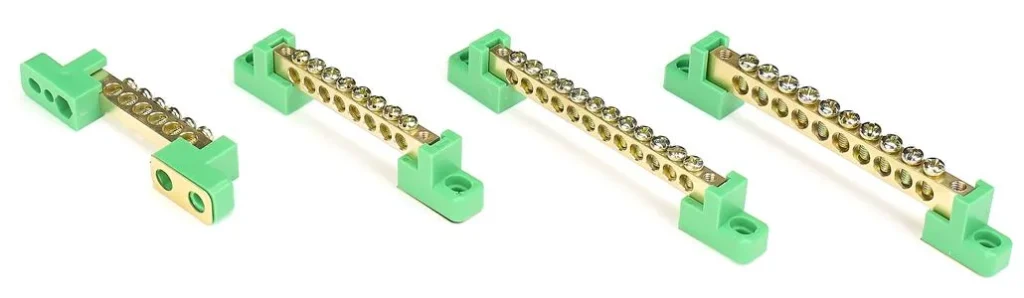
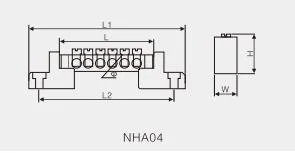
When a wire is inserted into the terminal block and secured by the clamping mechanism, the conducting element ensures a continuous electrical path. This arrangement:
This secure, insulated setup is especially valuable in industrial and commercial electrical panels where multiple wires converge.
Terminal blocks have evolved significantly over time. Early versions used ceramic bases and simple metal clamps, providing basic functionality but limited durability and flexibility. As electrical systems became more complex, terminal blocks developed into modular DIN rail terminal blocks, allowing easy assembly and disassembly in control panels.
Today’s terminal blocks come in various innovative designs that prioritize safety, ease of use, and space efficiency. The evolution from ceramic bases to modern insulated housings with standardized mounting options reflects advances in materials and manufacturing, meeting the rigorous demands of global industrial electrical systems.
Terminal blocks come in various types, each designed for specific wiring needs and applications. The most common feed-through terminal blocks allow electrical continuity between two wires and come in single-level, multi-level, or double-level configurations, providing flexibility in complex wiring setups.
Grounding or earthing terminal blocks are essential for safety, providing secure paths to earth ground to prevent electrical hazards. Meanwhile, disconnect and knife-disconnect terminal blocks enable quick circuit isolation by allowing sections to be easily disconnected without removing wires.
For additional circuit protection, there are fuse terminal blocks and component terminal blocks, which incorporate fuses or other electronic parts directly into the block to save space and simplify maintenance.
Lastly, special terminal block types include sensor/actuator blocks for automation systems, diode terminal blocks for controlling current direction, and installation blocks designed to simplify wiring during setup.
Exploring these options helps you choose the right terminal block type for your project, whether that’s industrial, commercial, or residential wiring. For a detailed guide on selecting the perfect terminal block, check out this comprehensive terminal block selection guide.
Terminal blocks use different connection technologies to secure wires safely and efficiently. Choosing the right type depends on the application, wire type, and environment.
| Connection Type | Pros | Cons | Insertion Force | Wire Compatibility | Best Applications |
|---|---|---|---|---|---|
| Screw Clamp | Very secure, reliable | Slower installation | Medium-High | Solid & stranded | Vibration-prone, heavy duty |
| Spring Clamp | Fast, no tools needed | Can be costlier | Low-Medium | Solid & stranded | Control panels, automation |
| Push-in | Quick, tool-free | Limited for fine wires | Low | Solid & stranded | Frequent wiring changes |
When selecting terminal blocks, consider which technology suits your wiring speed, maintenance needs, and vibration conditions best. For example, your industrial panels might benefit from the robust security of screw clamp types, while quick install jobs favor spring clamp or push-in styles.
For reliable industrial connection solutions, you might explore the range of DIN rail terminal blocks that offer various connection technologies tailored to your needs.
Terminal blocks come with different mounting styles to fit various setups and applications. Here’s a quick look at the main types:
| Mounting Type | Description | Common Uses | Advantages |
|---|---|---|---|
| DIN Rail Mounting | Clips onto a metal rail (usually TS-35 standard) in control panels | Industrial panels, automation systems | Easy installation, modular, space-saving, quick replacement |
| PCB Mounting | Soldered directly onto printed circuit boards | Electronics, wire-to-board connections | Compact, low profile, reliable connections |
| Panel Mounting | Fixed directly to panels with screws or bolts | High-voltage panels, North American-style setups | Secure, sturdy, good for heavy-duty wiring |
| Barrier Strips | Strip-style mounting with physical barriers between terminals | Older or traditional wiring, HVAC | Clear separation between circuits, easy inspection |
DIN rail terminal blocks dominate industrial applications. The TS-35 standard rail is the go-to for mounting because it’s:
For example, the reliable performance of Naihang Electric’s DIN rail-mounted neutral bar link terminals helps simplify complex wiring in industrial panels, while ensuring durable connections.
Whether you’re wiring an industrial cabinet or designing electronics, choosing the right mounting style can make installation smoother and maintenance easier.
When choosing terminal blocks, several key factors come into play to ensure safe and efficient connections.
Electrical Ratings: Make sure the terminal block supports the right voltage and current levels for your application. Also, check compatibility with wire gauges (AWG or mm²) to prevent overheating or loose contacts.
Pitch and Pole Count: The pitch (distance between connection points) affects how many poles you can fit in your panel and influences creepage distance, critical for preventing electrical shorts.
Material Considerations: The housing is usually made from polyamide or polycarbonate—both offer good temperature resistance and flame retardancy. Choose materials rated for your environment’s heat and safety standards.
Environmental Factors: Look for IP ratings that match the exposure your terminal blocks will face, like dust or moisture. Operating temperature ranges and certifications like UL and IEC ensure reliable performance and compliance with global standards.
Accessories: Customization options such as jumpers, markers, end plates, and bridging components help organize wiring and maintain clarity within complex panels. For example, jumpers can simplify common connections in multi-level terminal blocks.
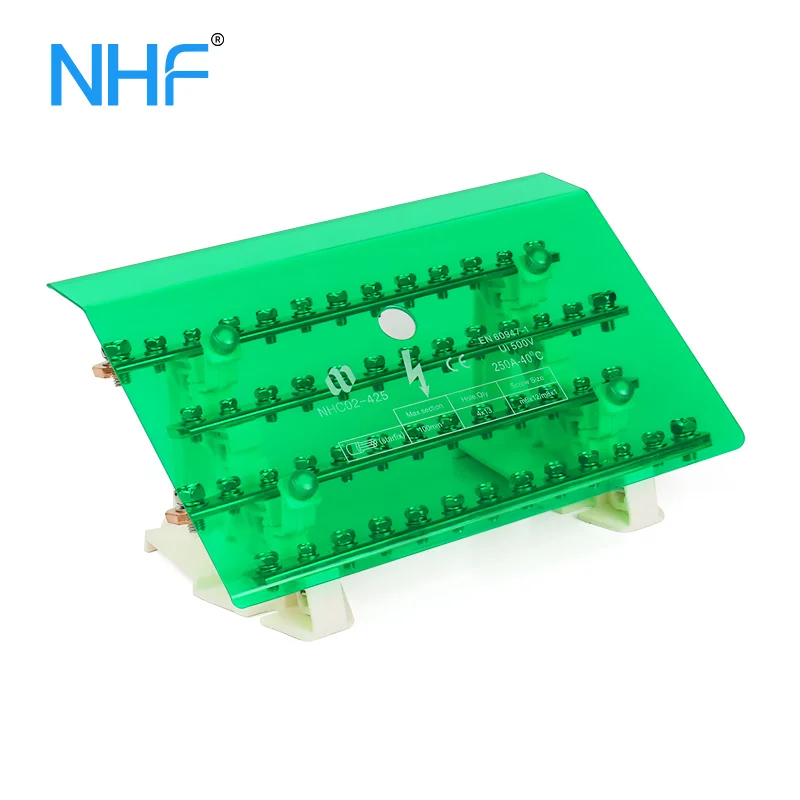
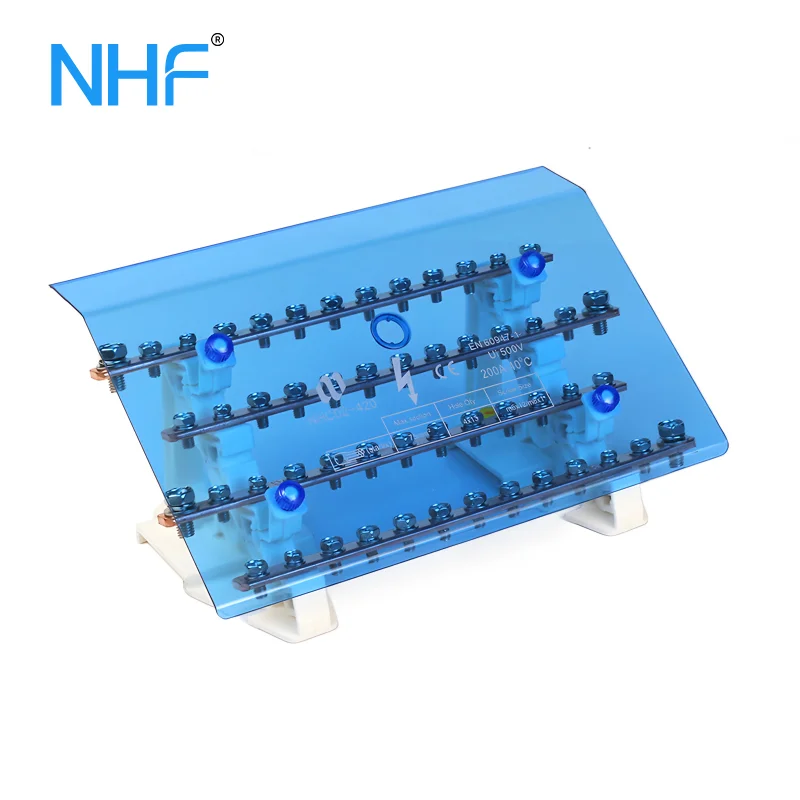
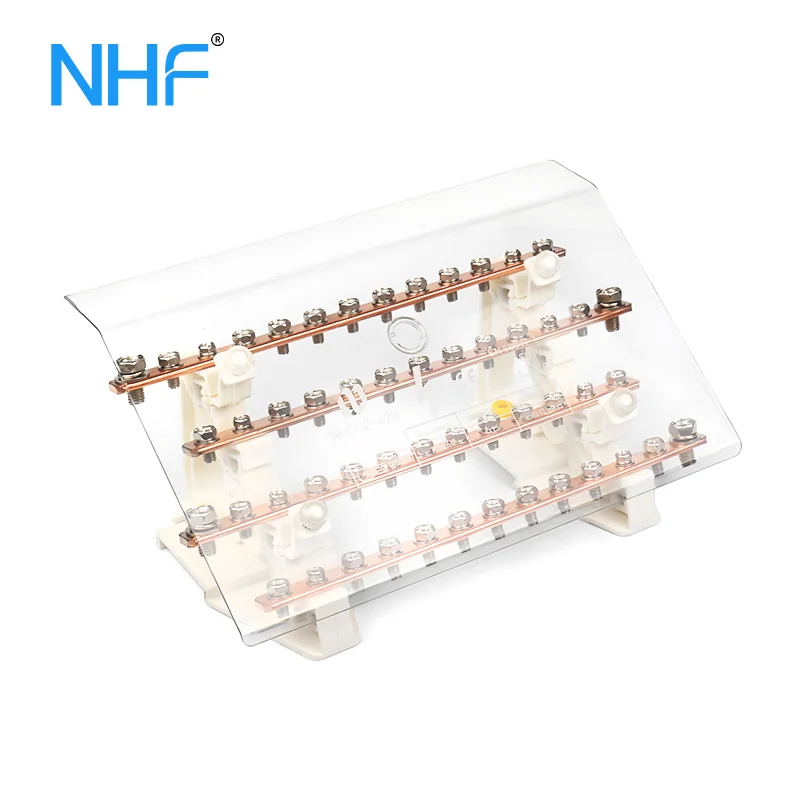
Selecting the right terminal block by considering these factors ensures long-term durability and compliance in your electrical installations. For heavy-duty applications, explore power distribution blocks like the C02-400A Four Phase Distribution Block with Transparent Cover for optimized performance and safety.
Terminal blocks play a crucial role across many industries thanks to their reliable wire connection capabilities. In industrial automation and control cabinets, terminal blocks provide secure, organized wiring for sensors, actuators, and controllers. Their modularity helps manage complex wiring setups efficiently.
In power distribution and renewable energy systems, robust terminal blocks, including specially designed DIN rail terminal blocks, handle high currents and voltages safely. These blocks ensure stable connections in solar panels, wind turbines, and battery storage units, addressing common challenges like vibration and electrical overload.
For building wiring and HVAC controls, terminal blocks simplify the connection of multiple wires, maintaining neat and accessible wiring in tight panel spaces. Good quality terminal blocks can withstand temperature changes and environmental factors typical for HVAC installations.
Real-world tips for common challenges:
For heavy-duty power distribution, four-phase distribution blocks such as the Naihang C01-413 160A four-phase distribution block can be a reliable choice, offering robust performance and safety.
Overall, selecting the right terminal block type and connection method significantly enhances system reliability and reduces downtime across diverse industrial and commercial applications.
Installing terminal blocks correctly ensures a safe and reliable electrical connection. Here’s a straightforward guide to help you through the process:
For example, using reliable and robust terminal blocks like those in the SV-35 hex screw single-phase connection block series can make installation smoother and maintenance easier, especially in industrial settings.
Following these best practices guarantees safer, longer-lasting connections across your electrical installations with DIN rail terminal blocks, screw terminal blocks, or any other type you choose.
Naihang Electric terminal blocks stand out for their high-quality materials, ensuring long-lasting durability and dependable electrical connections. With a strong focus on safety and compliance, Naihang products meet international standards such as UL and IEC, guaranteeing reliability in diverse industrial environments.
| Feature | Benefit |
|---|---|
| Premium Materials | Polyamide housings with excellent flame and temperature resistance |
| Reliable Connections | Secure screw clamp and spring clamp options ensure stable wiring even in vibration-prone setups |
| Wide Range | Includes feed-through, fuse blocks, and grounding options, covering all industrial needs |
| Compliance & Safety | Certified to global standards, maintaining strong safety and quality control |
| Ease of Use | Modular designs, including DIN rail terminal blocks, allow fast installation and easy maintenance |
Naihang’s DIN rail terminal blocks series is especially popular for industrial control panels thanks to its robust mechanical and electrical performance. Their modular design fits the TS-35 rail standard, optimizing space without compromising on wiring density or safety.
Explore Naihang’s industrial terminal blocks, such as the reliable NHA02 Brass DIN Rail Electrical Neutral Bar Link, designed for efficient power distribution and easy integration.
Choosing Naihang means investing in terminal blocks that save you time, improve safety, and deliver dependable connections across all wiring projects.
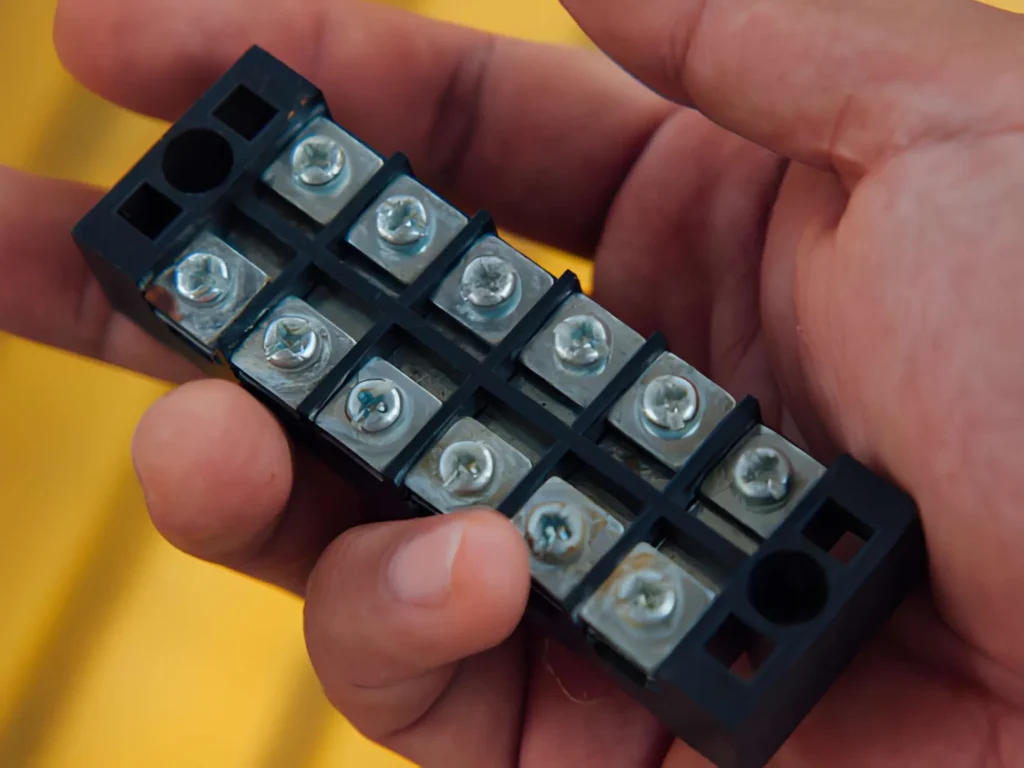
Discover high-quality terminal block strips with durable insulation, multiple pole options, UL certification, and easy installation for safe wiring solutions.
Read More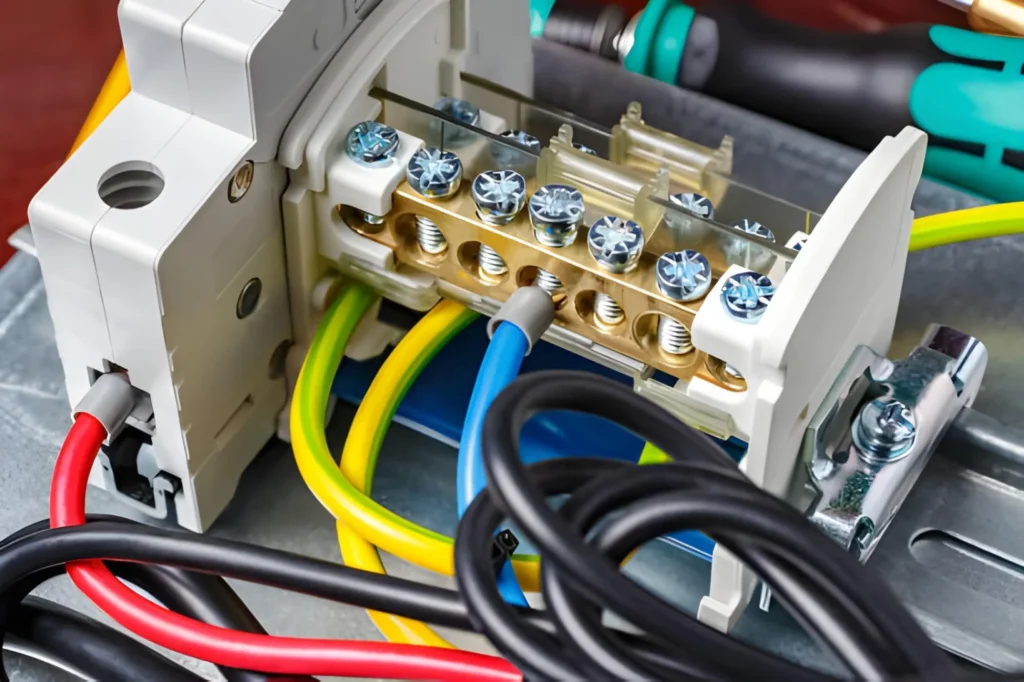
Discover high-quality din rail terminal blocks from Naihang Electric featuring screw push-in and feed-through types with reliable performance and certifications
Read More
NaiHang DIN rail terminal blocks feature high-grade brass conductors with screw and push-in connections for reliable industrial wiring. Product Overview: NaiHang DIN Rail Terminal Blocks NaiHang offers a comprehensive range of DIN rail terminal blocks designed for robust electrical control panel wiring and industrial applications. Our products feature modular construction, suitable for standard 35mm top-hat […]
Read More