Distribution Block Supplier

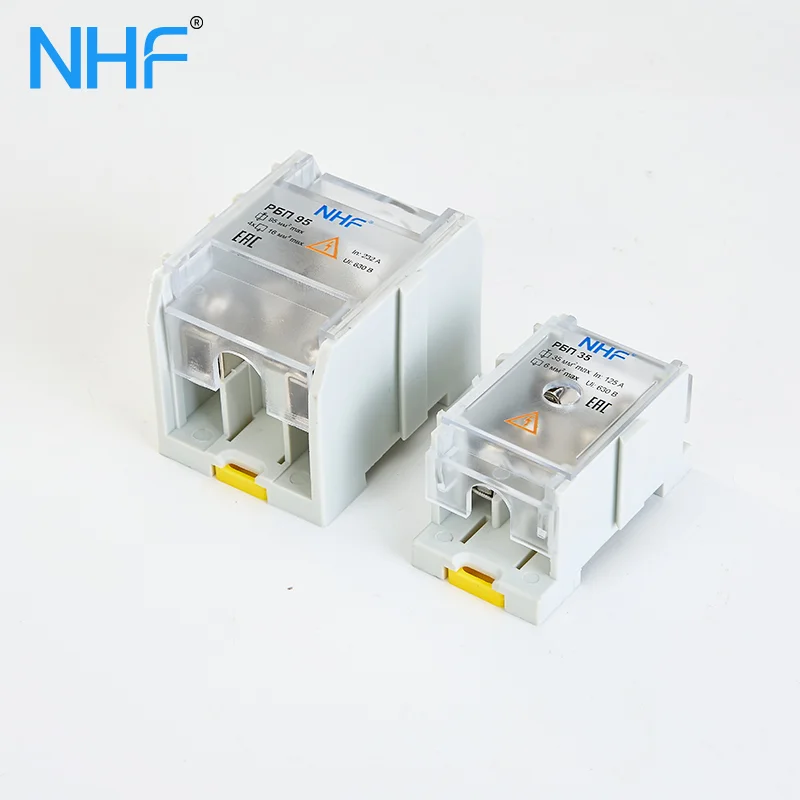
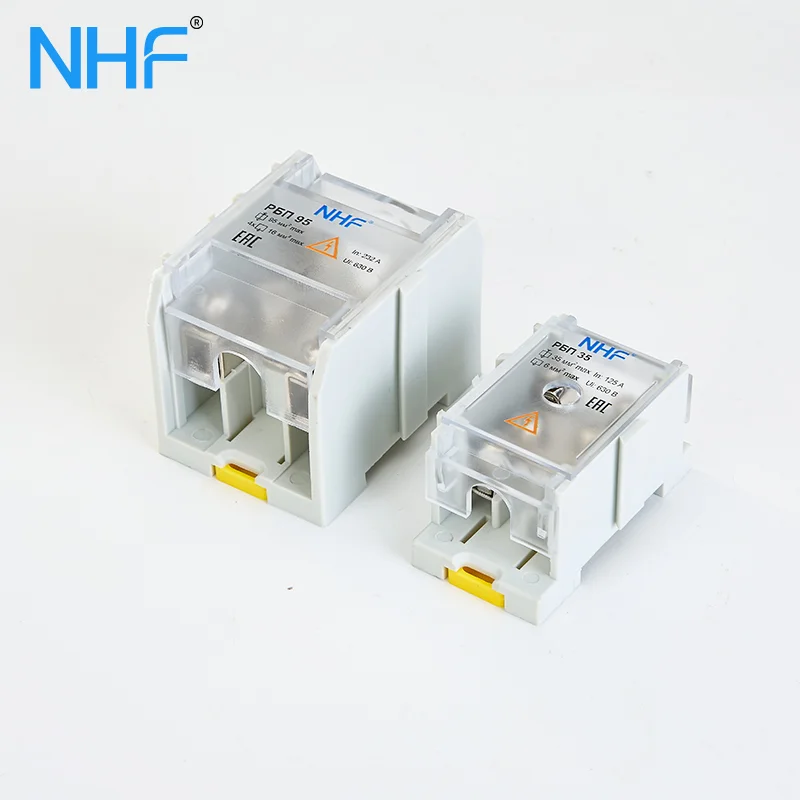
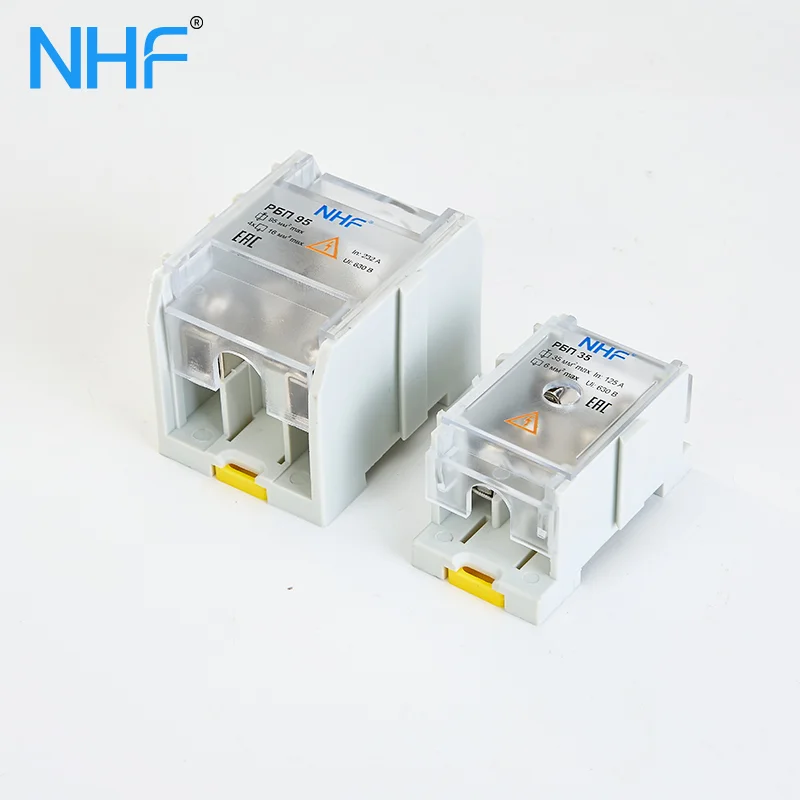
NHF Distribution Block enables DIN-rail power distribution with optional copper conductors, low contact resistance, PA66 insulation, and a transparent cover.
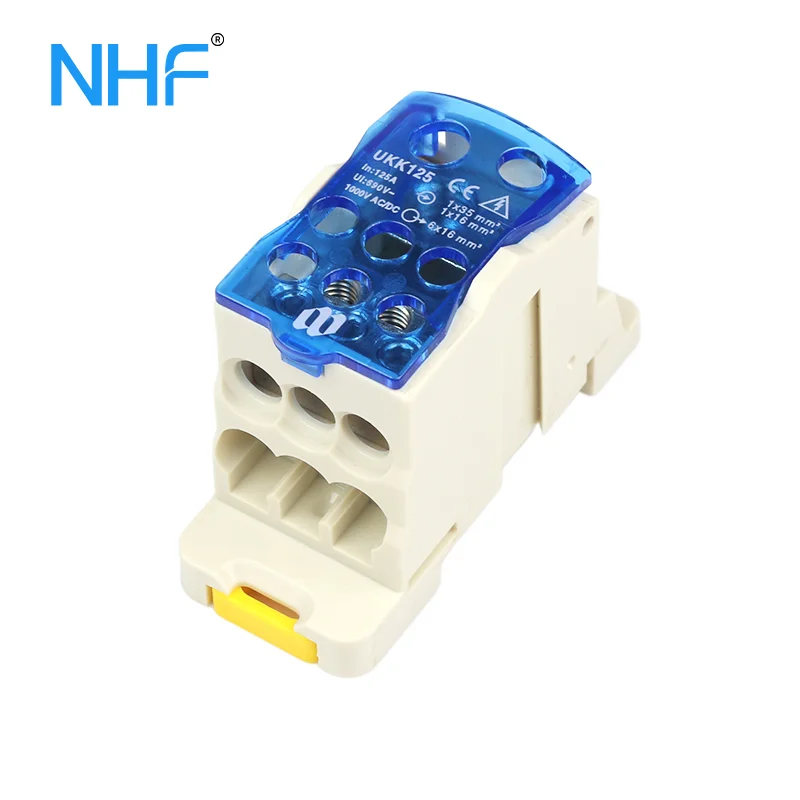
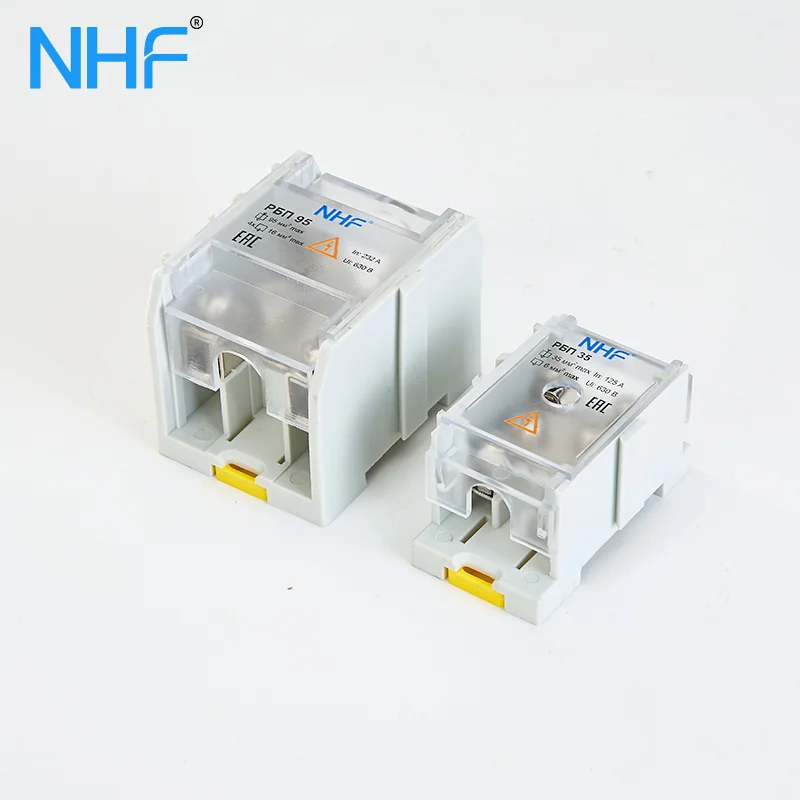
UKK 125A Single Phase Connection Block 2 1766207862
UKK 125A single phase connection block with nickel-plated brass conductors,
SV70 Hex Screw Single Phase Distribution Block 1 1766111755
SV70 hex/screw single phase distribution block with nickel-plated brass conductors,
SV95 Hex Screw Single Phase Connection Box 1 1766113375
SV95 single phase distribution block with nickel-plated brass conductors, PA66
SV 25 Hex Screw Single Phase Distribution Block 1 1766106572
SV-25 CE/RoHS single phase distribution block with nickel-plated brass conductors,
SV 35 Hex Screw Single Phase Connection Block 1 1766110350
SV-35 CE/RoHS single phase distribution block with nickel-plated brass conductors,

NHF Distribution Block Manufacturers

NHF delivers Distribution Block configured for panel integration, stable electrical interfaces, and mechanical reliability in industrial systems as a specialized Manufacturer.
  • DIN-rail mounting for standardized cabinet installation and replacement
  • Optional copper conductor material for predictable electrical performance
  • Designed to maintain low contact resistance under operating load
  • Anti-loosening structure for resistance to vibration environments
  • PA66 heat-insulating housing for electrical isolation and thermal separation
  • Transparent cover supporting visual inspection without de-energizing the panel

Get Your Free Samples

We provide samples for free, you just need to tell us what you need
Applications

Where Our Products Are Used

Distribution Block is a modular electrical distribution component used to split incoming power into multiple outgoing circuits within control panels, switchboards, and machinery cabinets. The design centers on stable clamping interfaces and standardized mounting to reduce wiring complexity and installation time in industrial assemblies.Built around insulated PA66 housings and metal current-carrying paths, Distribution Block supports safe compartmentalization of live parts while enabling clear branch circuit organization. It is suitable for equipment manufacturing, automation panels, and industrial power distribution systems where space efficiency, vibration resistance, and maintainable wiring are required.
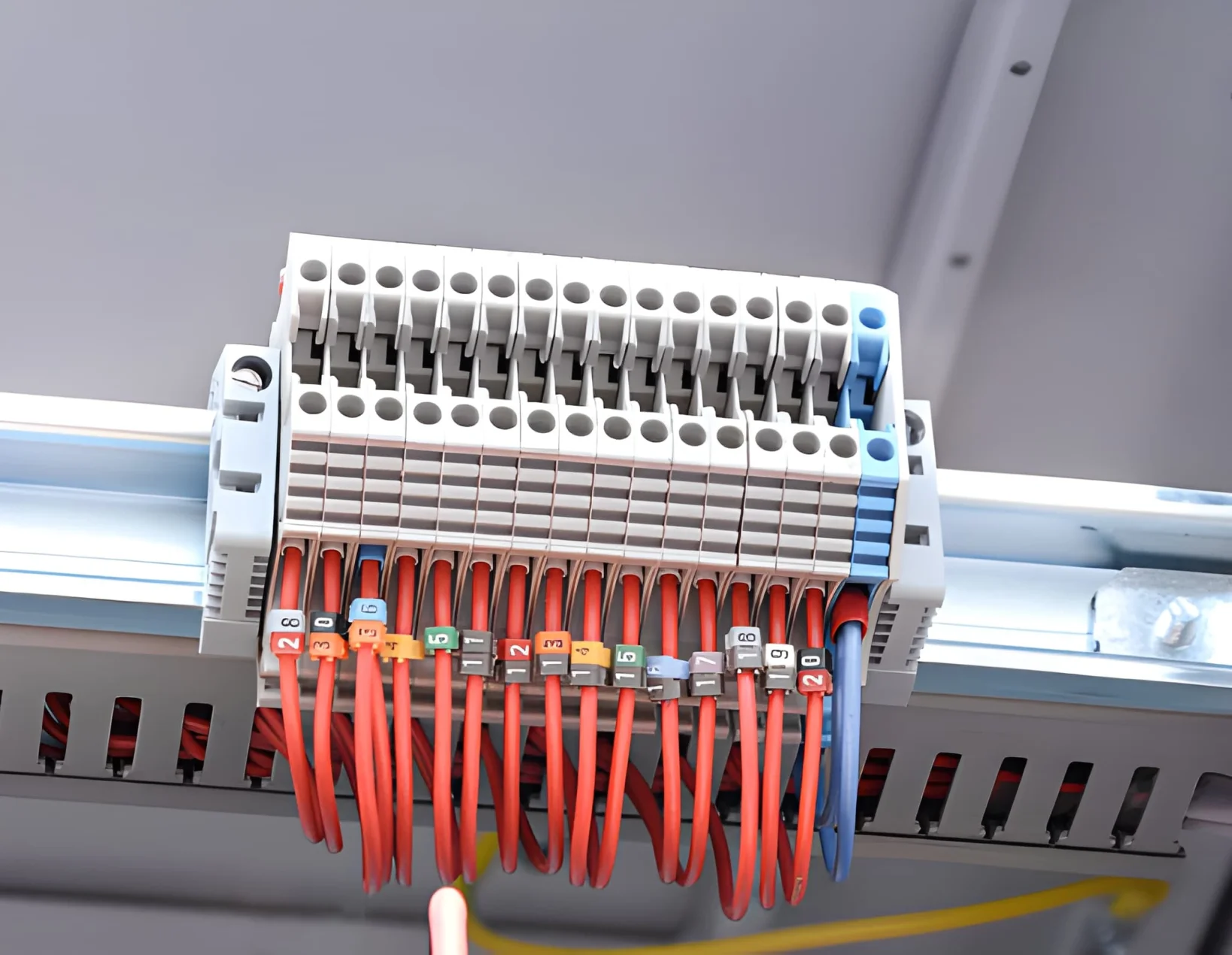
The electrical connector terminals installed on the bus

Electrical Control Panels

Terminal blocks for control panels providing secure wire connections, easy maintenance, and reliable signal and power distribution.
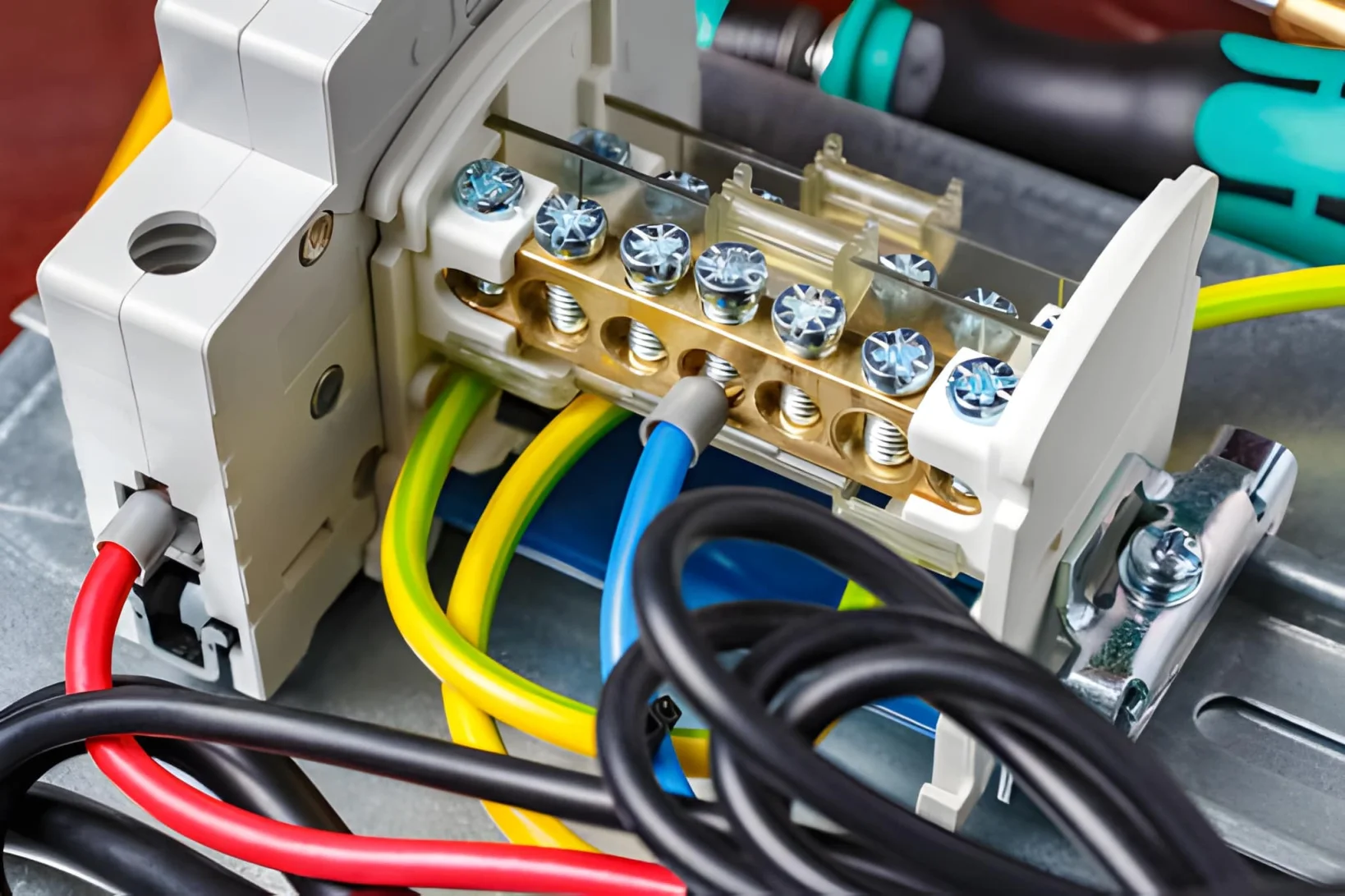
The automatic circuit breaker and wire terminals on the DIN rail are connected by colored wires with wire end insulating rings

Distribution Boxes

Terminal blocks for distribution boxes enabling neat wiring, safe power branching, and fast installation in industrial and commercial systems.
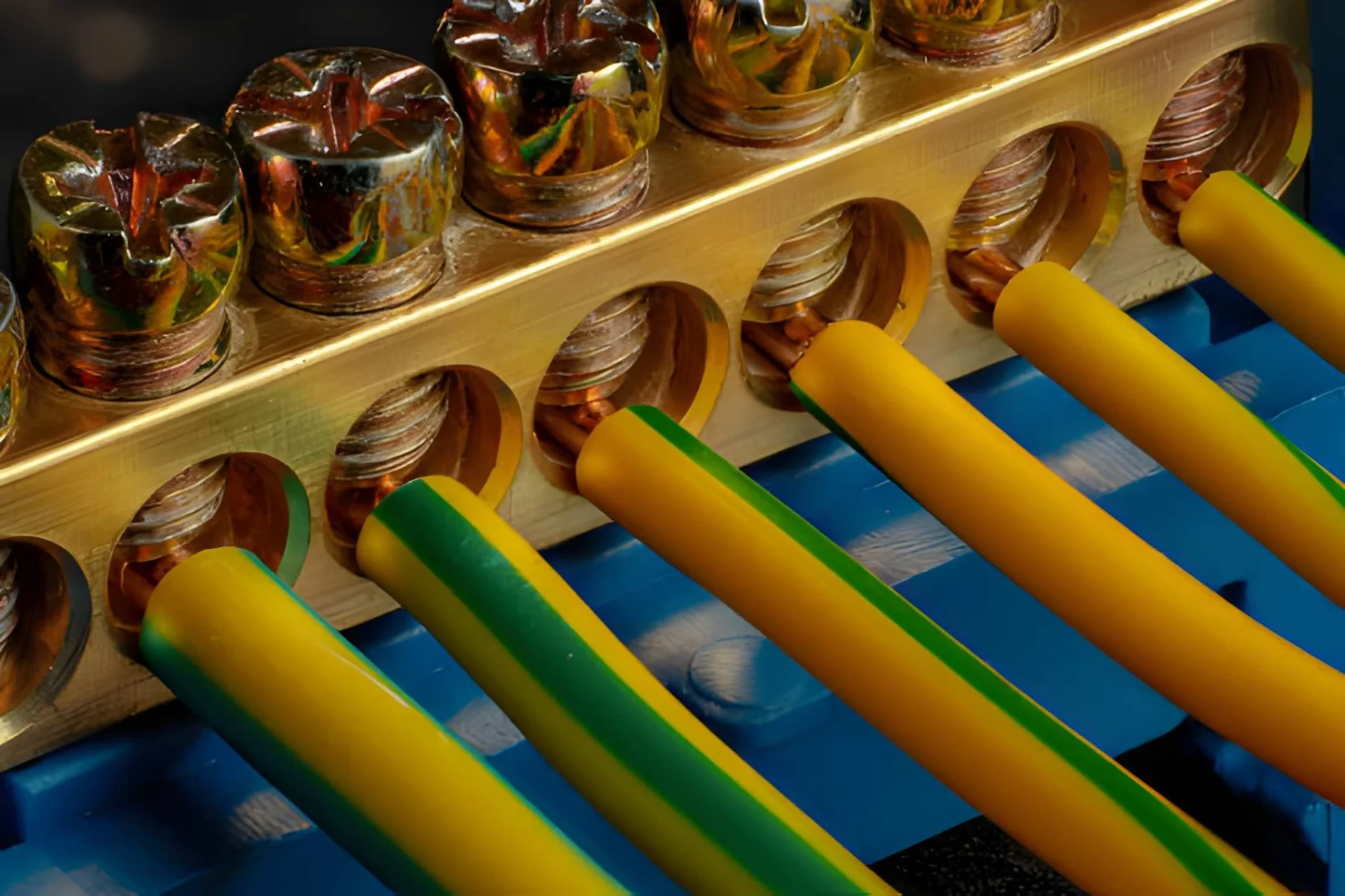
Brass Terminal Block

OEM Electrical Equipment

Terminal blocks for OEM equipment offering compact design, stable conductivity, and customized solutions for diverse electrical applications.

What is a Distribution Block?

A Distribution Block is a panel-mounted component that receives a main power feed and distributes it to multiple branch conductors while maintaining defined electrical separation and mechanical fixation.

Which conductor material options are available?

Distribution Block is available with optional copper current-carrying elements, allowing users to select material based on their conductivity and thermal requirements.

How is the Distribution Block installed?

Distribution Block is designed for direct mounting onto standard DIN rails, enabling rapid installation, repositioning, and integration into existing cabinet layouts.

Why is a transparent cover provided?

The transparent cover allows operators and maintenance personnel to visually verify wiring condition, terminal seating, and cleanliness without removing protective insulation.

When should maintenance checks be performed?

Inspection of Distribution Block should align with the maintenance schedule of the overall electrical panel, typically during routine cabinet inspections or after exposure to abnormal vibration, overheating, or electrical faults.